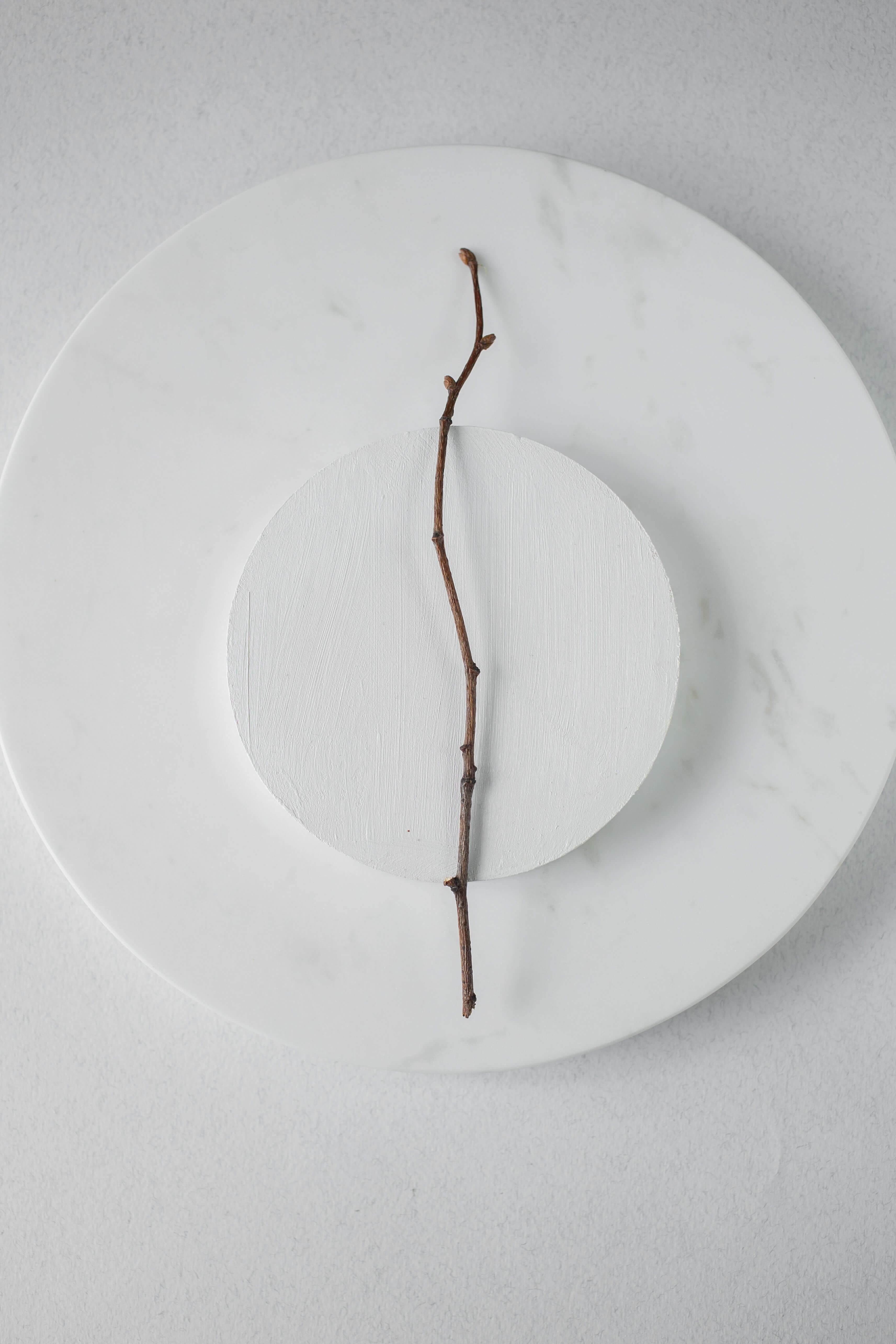
Designing for Attention, Not Distraction
A practical framework for creating digital experiences that respect attention, reduce noise, and make important decisions feel obvious.
Date
Read time
8 min read
Category
Design

Maazi Mehak
Design Lead

The most effective interfaces do not compete for attention. They direct it. This article explores how hierarchy, pacing, and restraint can make a product feel calmer while helping people accomplish more.
Attention Is a Design Material
Every interface asks people to decide where to look, what to ignore, and what to do next. When every element is loud, the user has to become the editor. Good design takes on that editorial responsibility by establishing a clear order of importance before the interaction begins.
Attention Is a Design Material becomes more useful when it is treated as a decision, not a decoration. In “Designing for Attention, Not Distraction,” the central question is how this idea changes the way people understand, make, or experience the work. Begin by making the intention explicit, then test whether the visible result supports that intention without adding unnecessary effort.
A practical way to apply this is to compare the intended outcome with the experience a real person has in the moment. Look for hesitation, competing signals, and places where context disappears. Small adjustments to sequence, language, or emphasis can turn a good principle into a repeatable practice that holds up across different projects.
Start With the One Important Thing
A useful first question is simple: what should be understood within the first few seconds? The answer should have a visible home in the composition. Supporting information can remain available, but it should not compete with the central promise, action, or piece of context.
Start With the One Important Thing becomes more useful when it is treated as a decision, not a decoration. In “Designing for Attention, Not Distraction,” the central question is how this idea changes the way people understand, make, or experience the work. Begin by making the intention explicit, then test whether the visible result supports that intention without adding unnecessary effort.
A practical way to apply this is to compare the intended outcome with the experience a real person has in the moment. Look for hesitation, competing signals, and places where context disappears. Small adjustments to sequence, language, or emphasis can turn a good principle into a repeatable practice that holds up across different projects.
Use Contrast With Intention
Contrast is more than a difference in color. Size, spacing, density, motion, and alignment all create contrast. If everything uses the same visual treatment, nothing feels important. Reserve the strongest contrast for moments that genuinely change the user’s understanding or direction.
Use Contrast With Intention becomes more useful when it is treated as a decision, not a decoration. In “Designing for Attention, Not Distraction,” the central question is how this idea changes the way people understand, make, or experience the work. Begin by making the intention explicit, then test whether the visible result supports that intention without adding unnecessary effort.
A practical way to apply this is to compare the intended outcome with the experience a real person has in the moment. Look for hesitation, competing signals, and places where context disappears. Small adjustments to sequence, language, or emphasis can turn a good principle into a repeatable practice that holds up across different projects.
Make Space for Comprehension
Whitespace is not empty when it separates ideas. A pause between sections gives the mind time to close one thought before opening another. Generous spacing is especially valuable around decisions, forms, and instructions because it reduces the feeling of being rushed.
Make Space for Comprehension becomes more useful when it is treated as a decision, not a decoration. In “Designing for Attention, Not Distraction,” the central question is how this idea changes the way people understand, make, or experience the work. Begin by making the intention explicit, then test whether the visible result supports that intention without adding unnecessary effort.
A practical way to apply this is to compare the intended outcome with the experience a real person has in the moment. Look for hesitation, competing signals, and places where context disappears. Small adjustments to sequence, language, or emphasis can turn a good principle into a repeatable practice that holds up across different projects.
A Calmer Interface Is Often the Clearer One
Designing for attention does not mean designing something quiet or bland. It means making energy intentional. When the hierarchy is dependable, expressive details become more powerful because they arrive as emphasis rather than background noise.
A Calmer Interface Is Often the Clearer One becomes more useful when it is treated as a decision, not a decoration. In “Designing for Attention, Not Distraction,” the central question is how this idea changes the way people understand, make, or experience the work. Begin by making the intention explicit, then test whether the visible result supports that intention without adding unnecessary effort.
A practical way to apply this is to compare the intended outcome with the experience a real person has in the moment. Look for hesitation, competing signals, and places where context disappears. Small adjustments to sequence, language, or emphasis can turn a good principle into a repeatable practice that holds up across different projects.
Maazi Mehak
Design Lead


/Start
Ready to make something meaningful?
Let’s turn your next idea into a solid work that moves your loyal people and your business forward with a 100x growth and success.